Inside Narconon Arrowhead: A Nursing Tour from Kiamichi Tech McAlester

Healthcare education increasingly intersects with real-world challenges, and few issues are as urgent as substance use and overdose. Students from Kiamichi Technology Center are gaining firsthand exposure to this reality as part of their practical nursing training—preparing them not only to treat patients, but to understand the broader public health landscape shaping their future careers.
On April 22, 2026, nineteen practical nursing students and two instructors from Kiamichi Tech’s McAlester campus visited Narconon Arrowhead for an educational tour. The visit offered a detailed look at both the scope of substance use in Oklahoma and the rehabilitation approaches used to address it.
Understanding the Scope of the Problem
The tour began with a sobering overview of substance use and overdose trends across Oklahoma and locally in Pittsburg County. Recent data highlights the severity of the crisis:
- 1,278 overdose deaths were recorded in Oklahoma in 2023, the highest on record
- The state’s overdose death rate stands at 32 per 100,000 people, exceeding the national average
- Since 2018, overdose deaths have increased by approximately 76%
A major driver of this trend is the rise of fentanyl, now involved in a significant majority of opioid-related deaths. At the same time, the crisis has evolved beyond single-substance use:
- Polysubstance use—particularly fentanyl combined with methamphetamine—is increasingly common
- Around 70% of fentanyl-related deaths involve another substance
While there are early signs of improvement following a peak around 2023—due in part to expanded access to naloxone, treatment services, and harm reduction strategies—overdose rates remain historically high.
Local Impact: Pittsburg County
Closer to home, the statistics are even more concerning:
- 48.3 overdose deaths per 100,000 people in 2023—nearly double the state average
- Among the highest rates in Oklahoma
Demographically, the impact varies:
- Men are significantly more affected than women
- Adults aged 55–64 represent the highest-risk group locally, differing from national trends that skew younger
For nursing students, these figures underscore the importance of preparedness—not just clinically, but socially and emotionally.
Exploring the Narconon Approach
Following the data presentation, students were introduced to the mission and methods of Narconon. The organization’s stated goal is to provide a path to recovery from substance use while contributing to prevention efforts in society.
The program emphasizes education as a foundation, offering materials designed to increase awareness about drugs and their effects. During the tour, students also viewed informational films outlining the structure and philosophy of the program.
Program Overview
The Narconon program is structured into several key phases:
1. Drug-Free Withdrawal
Participants begin with a supervised withdrawal process that does not rely on substitute medications. Instead, the approach includes nutritional support and techniques intended to ease physical discomfort.
2. New Life Detoxification
This phase focuses on addressing residual effects of drug use through a regimen designed to support physical recovery.
3. Objectives Course
Through communication drills and structured exercises, participants work on improving awareness, focus, and the ability to engage with their environment without reliance on substances.
4. Life Skills Training
The final stage provides practical tools aimed at long-term stability, including decision-making, relationship evaluation, and personal responsibility.
Narconon describes its program as educational in nature, referring to participants as “students” to reflect the emphasis on learning skills for sustained recovery.
A Personal Perspective on Recovery
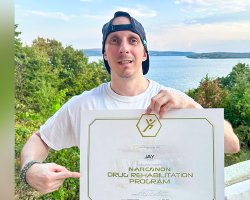
A highlight of the visit was a personal account from Bret Aicher, who completed the program in September 2025 and now serves on staff. He shared his journey from substance use to recovery, offering students a human perspective that statistics alone cannot convey.
For many in attendance, this story reinforced the importance of empathy, persistence, and individualized care in treating substance use disorders.

Preparing Future Nurses for Real-World Challenges
Experiences like this tour help bridge the gap between classroom learning and real-world application. By engaging directly with rehabilitation programs and hearing firsthand accounts, nursing students gain a deeper understanding of addiction—not just as a condition, but as a complex human experience.
As substance use continues to impact communities across Oklahoma, initiatives that connect education with practical exposure are essential. For the students of Kiamichi Tech, the visit to Narconon Arrowhead represents one step toward becoming healthcare professionals equipped to meet that challenge.
With plans to continue these tours in the future, both organizations look forward to further collaboration—helping prepare the next generation of nurses to respond to one of today’s most pressing public health issues.
Sources:
- Centers for Disease Control and Prevention
- Oklahoma State Department of Health

 ) on our articles for the most up-to-date and accurate information.